Medical knowledge isn't just an asset– it’s essential. At every phase of a case, your knowledge of common injuries, anatomy, and procedures will establish your credibility to the jury, inform the damages of your client, and drive case value.
Medicine is vast and complex, and you don’t need to become a doctor overnight, but having a solid foundation in this subject matter is nonnegotiable to achieve the highest possible remedies for your client.
Begin with Basics: Learning the Anatomy
Demystifying our client’s pain begins with fundamental anatomy:
- The spine: the cervical, thoracic, and lumbar regions, which are made up of vertebral bodies, facet joints, disc,s and nerve roots.
- The brain: the cerebrum and its four lobes, the cerebellum, and the brain stem
Understanding how an injury to these body parts can affect other bodily functions and behaviors is crucial for communicating your client’s focal and/or radicular pain and establishing damages beyond the site of the initial injury.
Contextualizing Medical Imaging
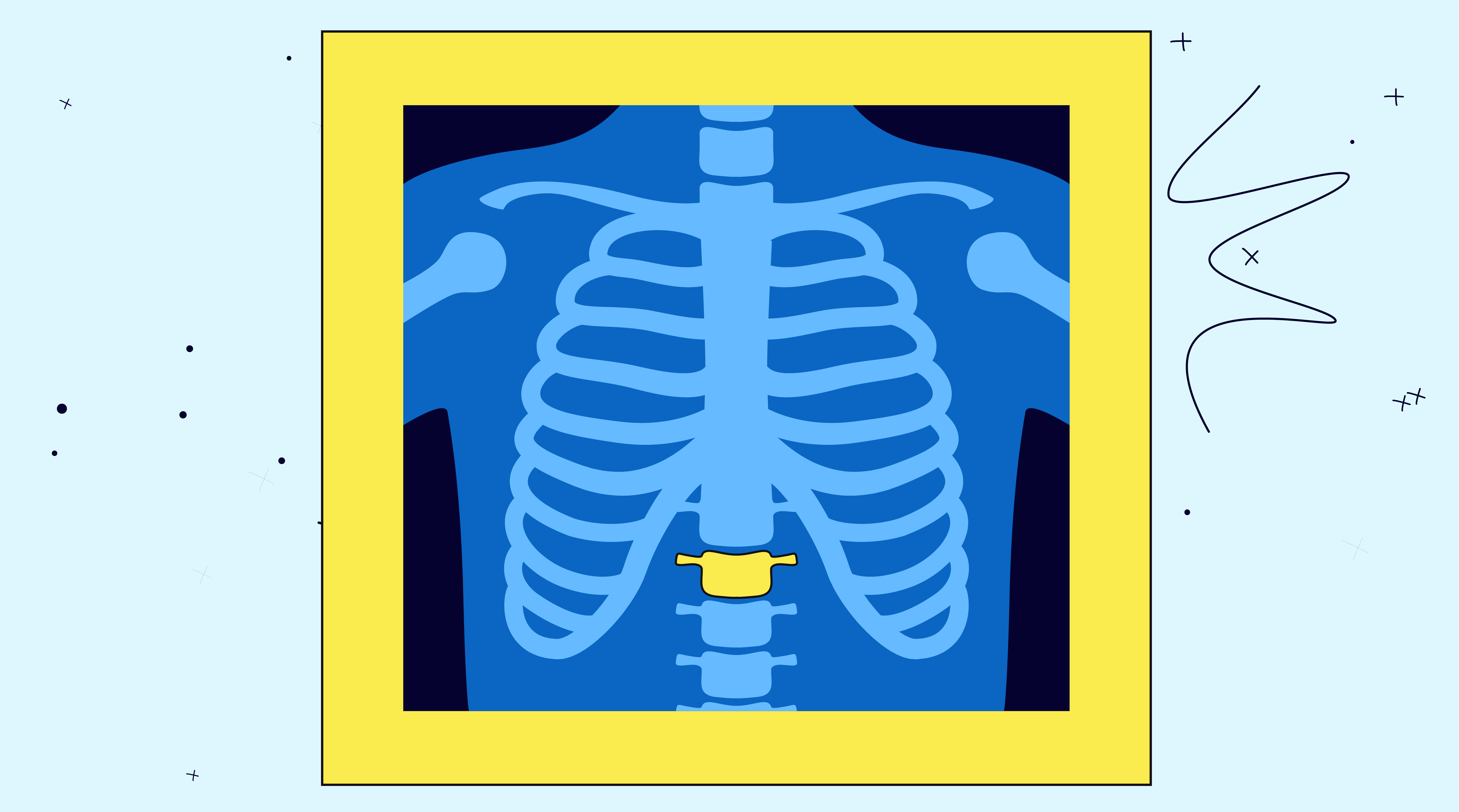
X-rays, CT scans, and MRIs are all valuable forms of medical imaging. But each film tells a different story, and knowing when to use which makes all the difference:
- X-Rays are great for showing signs of broken bones, but fall short of presenting ligament damage or bulging and herniated discs.
- CT scans can show the bony structures with some soft tissue and bleeding
- MRIs are often considered the gold standard for diagnosing injuries to the discs.
Beyond Film: Diagnoses and Treatments
In many instances, medical imaging won’t offer a smoking gun. Imaging falls short in identifying microscopic damage to the neural pathways in TBI cases and fails to show injuries to the facet joints in the spine. It is essential to use other diagnostic tools to tell your client’s full story:
- Balance, nystagmus, and EEG tests, as well as observations of changes in behavior or personality, help assess TBI.
- Medial branch block, epidural steroid, and SI joint injections can pinpoint more exact locations of injuries in the spine.
- An EMG test detects radicular pain by monitoring electric muscle activity
Knowing specific treatments also informs litigation strategy and damage models. For example, if your client needs to undergo radiofrequency ablation, you should know that the procedure needs to be repeated every 6 to 12 months. As their primary advocate, you can hire a life care planning expert to show a jury the cost of that treatment over the course of your clients' lifetime.
Combatting Defense Misdirection
The defense will inevitably point to pre-existing conditions as a way to diminish your client’s damages. Use those pre-existing injuries to your advantage:
- Pre-existing injuries often mean a timeline of documentation. Use past files alongside current tests to create a clear before-and-after snapshot of your client’s health.
- Did the injury exacerbate an existing condition? Did it turn an asymptomatic issue into a symptomatic one? In some districts, an aggravated pre-existing injury can be compensated the same as a new one.
Defense and insurance adjusters may claim your clients' mild TBIs will recover in a few months. Research is still uncovering the long-standing impacts of TBIs, and it is our job to advocate that these injuries can and have caused lifelong effects.
Informed Jurors Lead to Full Verdicts
All of this medical knowledge is useless if the jury doesn’t understand it. Here are some tips to keep the jury informed and engaged throughout the process:
- Make your credible source engaging: A doctor is the most credible medical speaker. Choose them wisely and have them deliver an engaging “Medical 101” testimony about the relevant anatomy, injuries, and treatment.
- Synergize with your expert: While medical experts are crucial, their high-value testimony is only as effective as your targeted, educated questions. Informed dialogue with medical experts allows you to control the narrative and direct the conversation towards damages.
- Use demonstratives: Images, videos, and models provide clarity. Hire a medical animator to illustrate procedures and injuries.
- Exhibit the stakes: Use signed treatment waivers as exhibits. When you emphasize the risks the patient took, like paralysis, death, and long-term side effects, the jury better understands the severity of their injury and the stakes of the case.
When we take time to learn the medical essentials, we can advocate for our clients, tell a story the jury can follow, and ultimately drive the verdict that the case deserves.


 copy
copy